From Prevention to Innovation: Dr. Susie Breitenstein’s Journey with the Chicago Parent Program and Web-Based Interventions
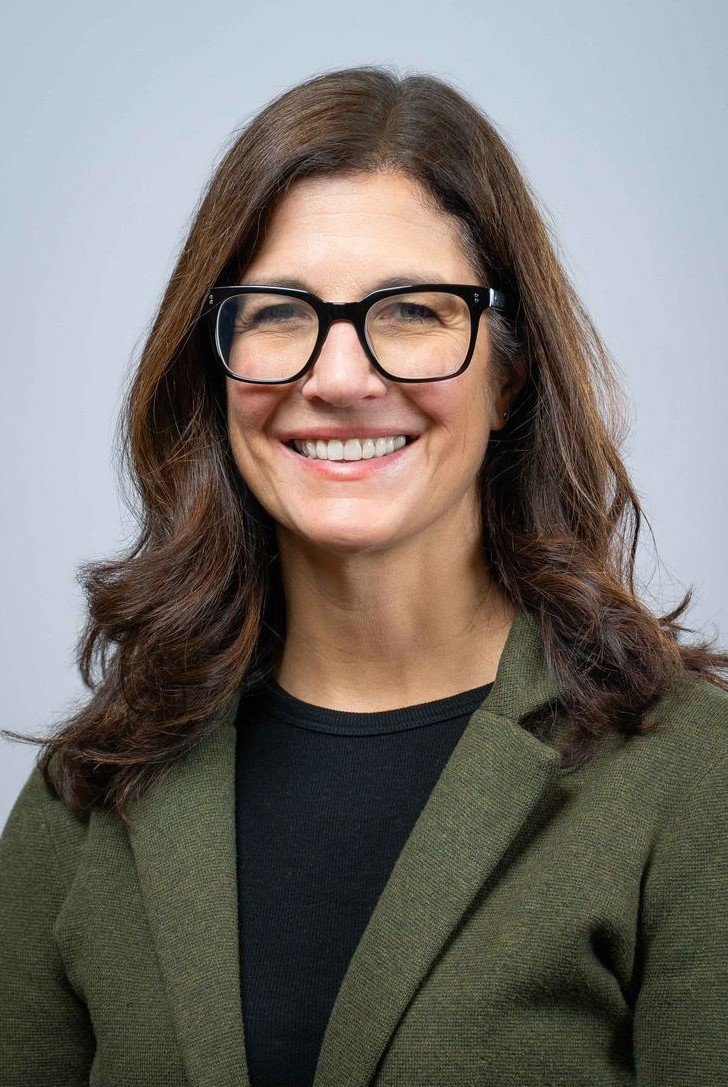
When Dr. Susie Breitenstein began her career as a child and adolescent psychiatric nurse, she often found herself at the intersection of clinical treatment and the untapped potential of parent involvement. “At the time, treating child mental health issues usually meant focusing on medication, with much less attention given to helping parents build the skills to support their children and address challenging behaviors before they escalated,” she says. Those early experiences sparked a pivotal shift in her thinking: what if more could be done to intervene early, building parental skills before challenges became entrenched?
That question led her to prevention-based work and eventually to the Chicago Parent Program (CPP), a culturally responsive, strengths-based parenting program that was the brainchild of her mentor, Dr. Debbie Gross. Breitenstein became involved with CPP in 2004 as a PhD student and is a co-author of the program’s second and third editions. Over the years, her work has expanded the program’s reach and adapted it for new audiences, while keeping the central mission—empowering parents—at its core. Today, she serves as a professor at The Ohio State University College of Nursing, where her program of research continues to shape the field.
Breaking Barriers with ezParent
One of Breitenstein’s most notable contributions is ezParent, a web-based version of CPP designed to address logistical barriers to in-person group attendance. In Chicago, where CPP groups were offered face-to-face, she saw firsthand how transportation issues, scheduling conflicts, and childcare demands could keep parents from participating. Digital delivery seemed like a promising bridge. Parents responded positively to ezParent, appreciating its flexibility and accessibility. Yet, Breitenstein research revealed important nuances. “Some parents loved the independence,” she says, “but others missed the accountability and connection that comes from being part of a group.”
That finding led to the development of hybrid models—combining the digital modules with brief telephone coaching or synchronous group sessions—which have shown better completion rates. Research is ongoing, but early results suggest hybrid formats may offer the best of both worlds: convenience and connection. Breitenstein is currently leading two NIH-funded studies testing the efficacy and implementation of ezParent in both clinical and community settings, an important step toward ensuring broad access and sustained impact.
A Vision for the Future
Looking ahead, Breitenstein envisions a suite of interconnected CPP offerings—group-based, individualized, and digital—allowing parents to choose the starting point that best matches their needs and preferences. She also hopes to study “fit” more systematically, matching delivery methods to family circumstances for maximum impact. One of ezParent’s unique strengths, she notes, is that it remains available to participants after completion, allowing them to revisit content as needed.
From her early days on the hospital floor to her leadership in program development and adaptation, Dr. Susie Breitenstein’s career reflects a deep belief in the power of parents—and in the importance of meeting them where they are, whether that’s in a community center, a clinician’s office, or on their smartphone.